


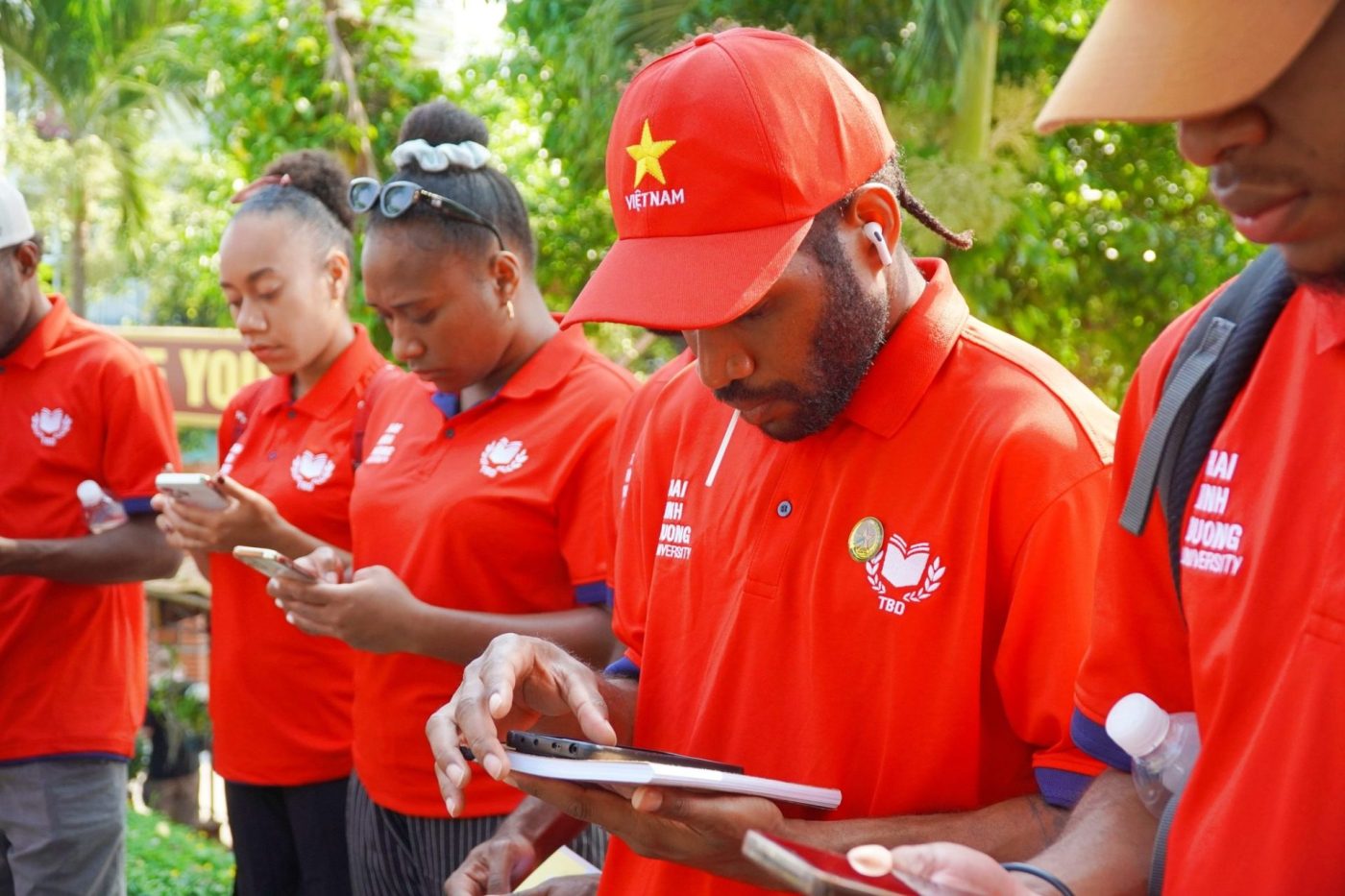
Recently, the University of the Pacific Ocean (UPO) organized a field trip for international students from Vanuatu as part of the courses “Vietnamese Language and Culture” and “Vietnamese Culture and Intercultural Communication,” offered by the Faculty of Basic Sciences.
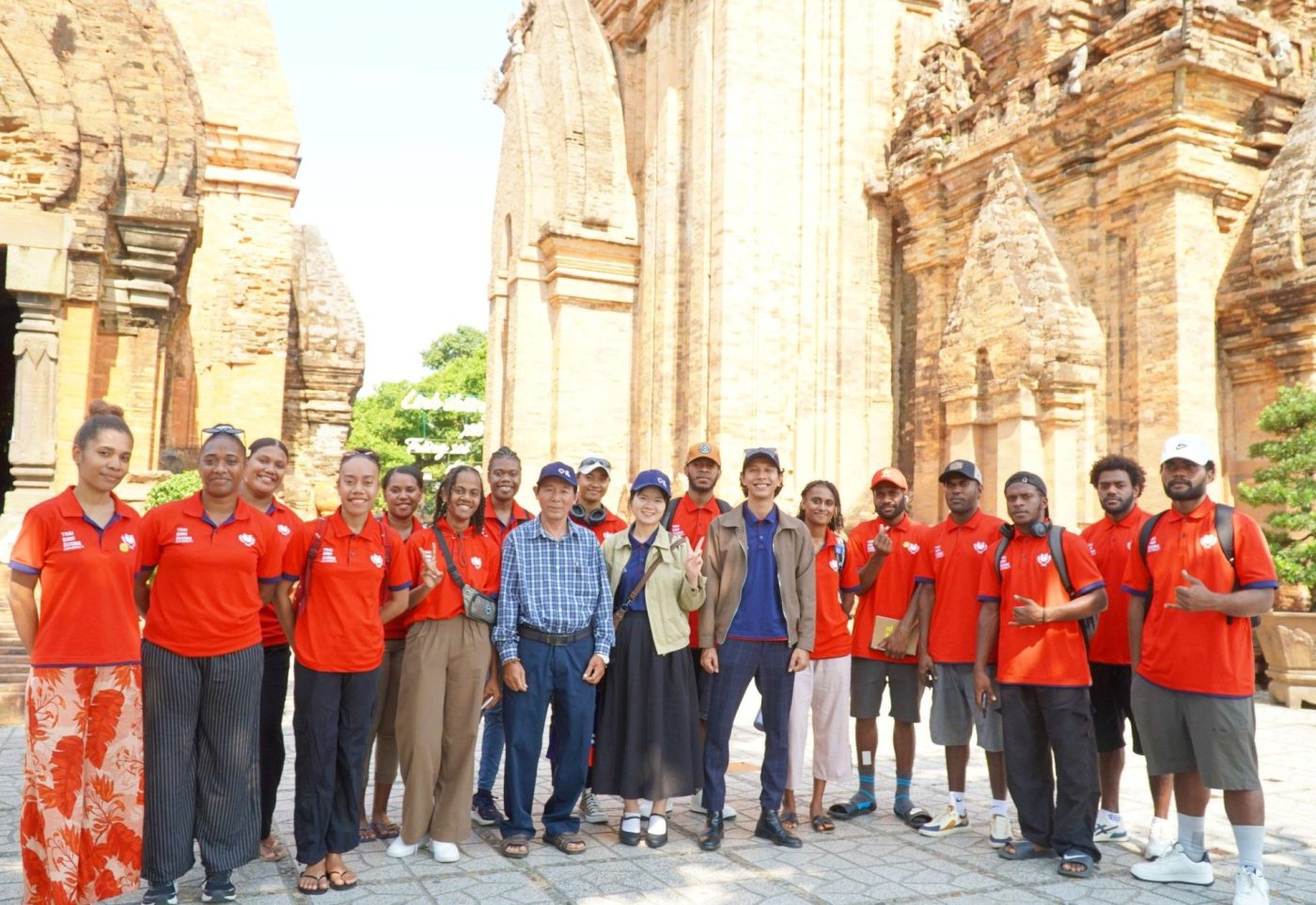
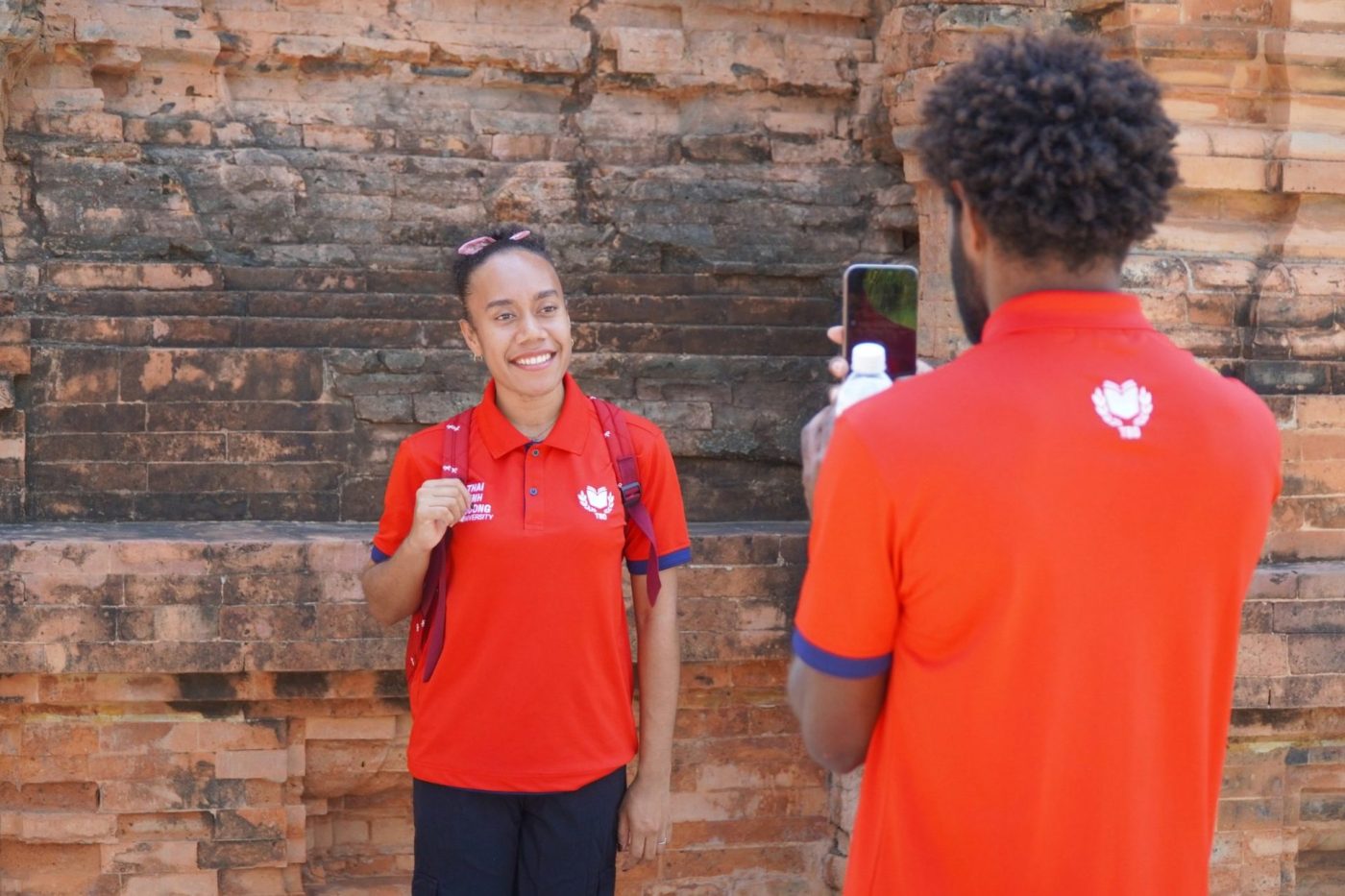
As part of the journey, the students visited Ponagar Cham Towers, one of the most prominent examples of Cham architecture, closely associated with the long-standing religious and cultural life of the people of Khanh Hoa. At the site, Mr. Thanh Adam Krishna, MA, introduced the students to its history, architectural values, and distinctive rituals, helping them gain a deeper understanding of the local cultural heritage.
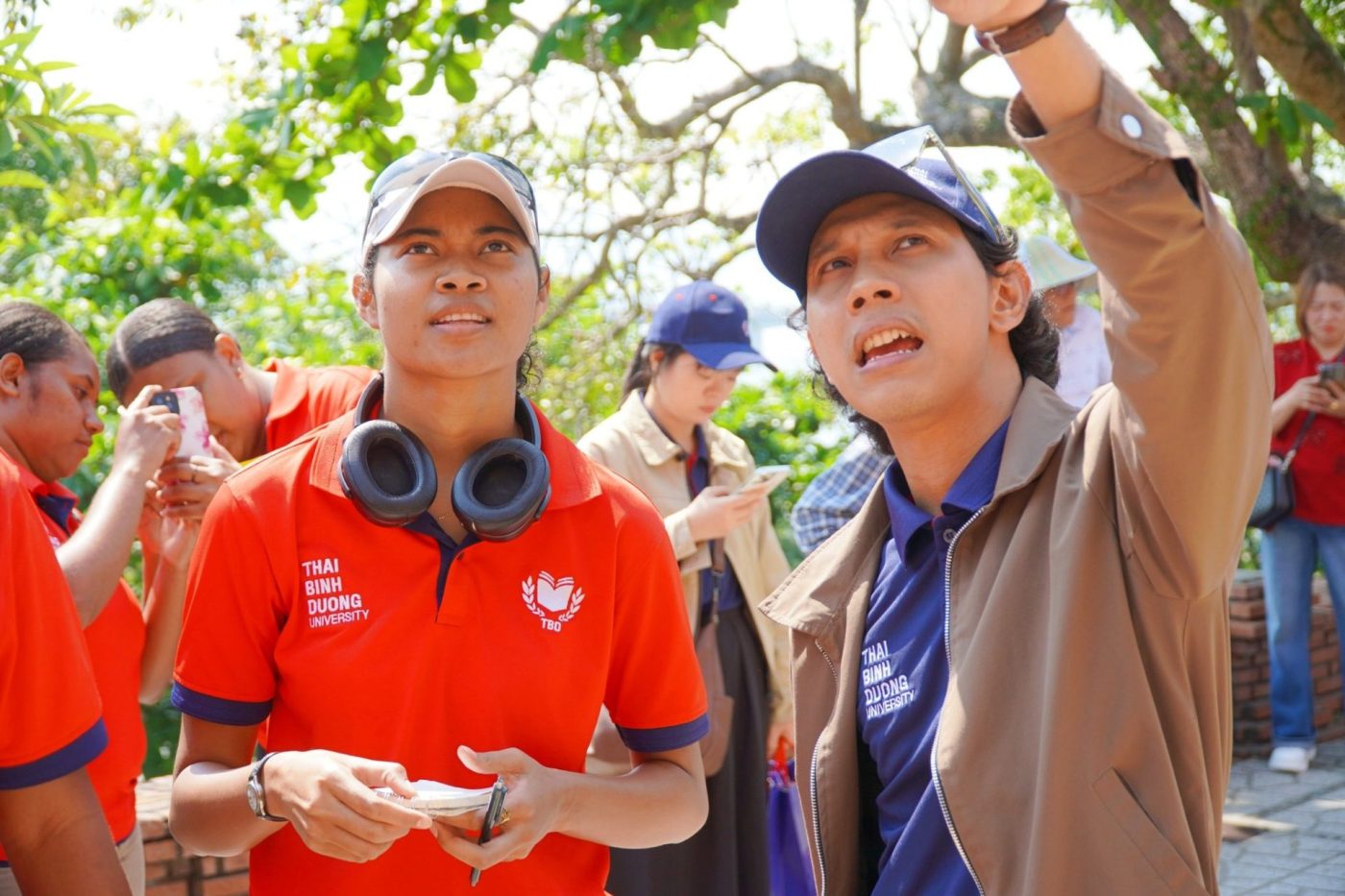
The group then visited the Alexandre Yersin Museum, which preserves valuable materials documenting the life and career of physician and scientist Alexandre Yersin. Through historical artifacts and stories, the students had the opportunity to learn more about his significant contributions to Vietnam, particularly to Khanh Hoa.
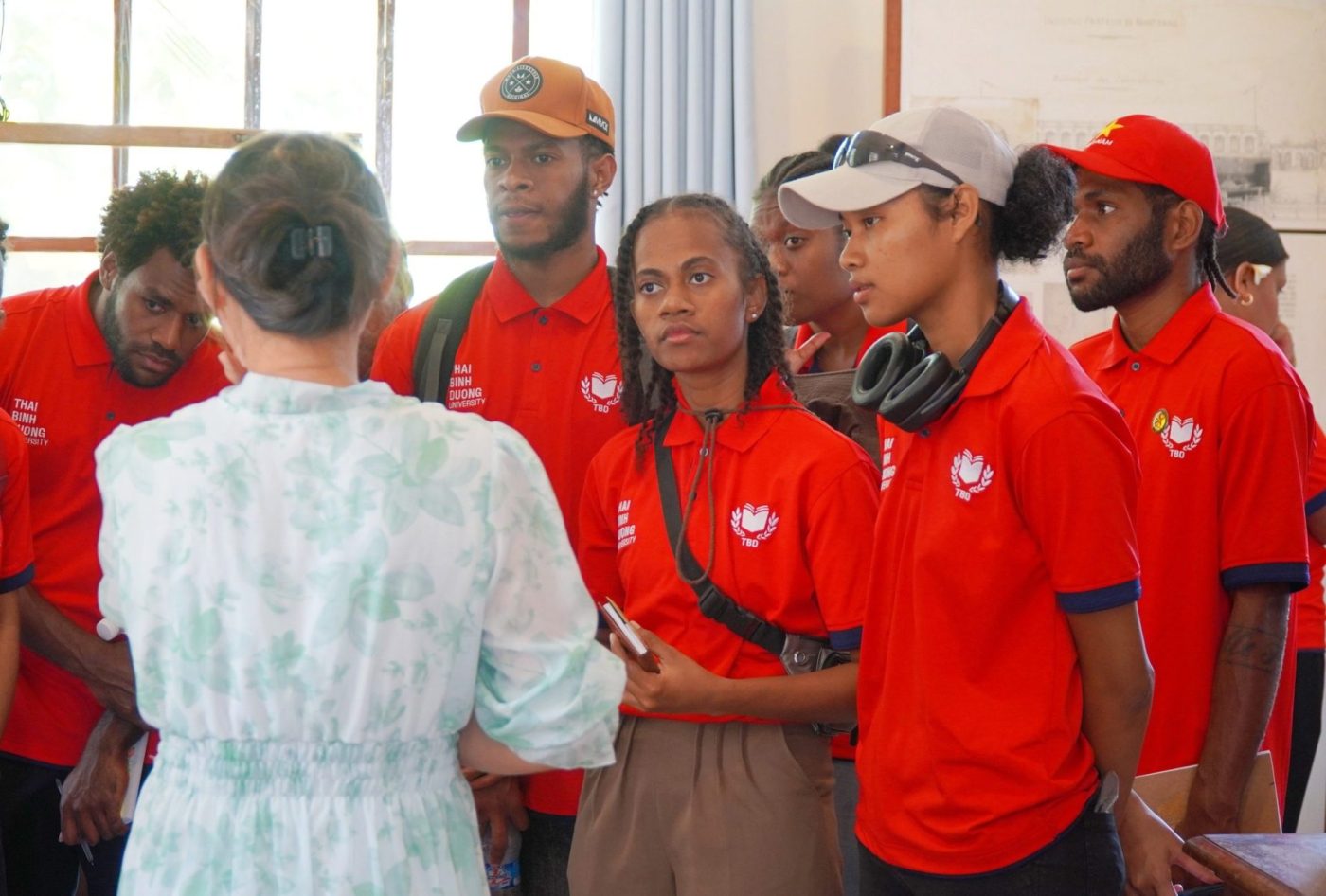
The field trip went beyond sightseeing, as students were also required to complete reflection assignments after the visit, connecting theoretical knowledge with the practical experiences they had gained. This is one of the learning approaches emphasized at UPO to enhance students’ observation, analytical, and intercultural understanding skills.
The trip not only provided valuable knowledge but also helped Vanuatu students gain a deeper understanding of the Vietnamese language, culture, and people. These experiences have contributed to greater confidence in communication and helped them adapt more easily to their learning and living environment in Vietnam.
The field trip further demonstrates the University of the Pacific Ocean’s commitment to practice-oriented education, particularly in an international learning environment where students not only acquire knowledge but also have opportunities to directly explore and experience the local culture.